Showing posts with label oaxaca. Show all posts

Friday, October 9, 2009

Homemade Chorizo - Oaxacan Style

Oaxacan Chorizo

While we were in Oaxaca, we fell head-over-heels in love with the chorizo there. Here in San Diego, despite the wide availability of Mexican food products in general, we've been unable to find a chorizo that tastes as good.

The chorizo we bought from our local carniceria in Oaxaca had a deeper color to it and a more complex and tangy flavor. Plus, we missed the pretty bolitas of chorizo we would see hanging amongst other lovely bits of meat:
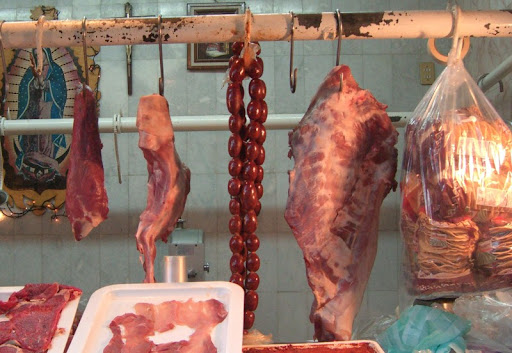
Oaxacan Chorizo

Our solution to this problem (which will come as no surprise to regular readers of this blog) was that we would have to try to make it ourselves.

After a bit of experimentation, our recipe is something of a combination of a version from The Food and Life of Oaxaca, by Zarela Martínez and one from Rick Bayless' Authentic Mexican.

At its base, this chorizo starts like most pork sausages: a mixture of ground pork meat and fat (we use shoulder and belly). Where it differentiates itself is in the seasoning. The dark color comes from lots of chile - in both amount and variety. For this batch we used ancho, paprika, chipotle, guajillo and cayenne. Most of it is for depth of flavor, but it also adds a nice bit of heat.

Oaxacan Chorizo

The taste gets an acid kick from some cider vinegar and is rounded out with herbs (thyme and oregano) and spices (peppercorns, cinnamon, clove and nutmeg).

Into the sausage stuffer it goes:

Oaxacan Chorizo

And the "after" shot, with the lovely, fatty, burnished-orange afterglow from the chorizo meat.

Oaxacan Chorizo

We were very pleased at how the bolitas of chorizo turned out:

Oaxacan Chorizo

After stuffing it was into the magic fridge to hang for a couple of days (that's some saucisson sec hanging in the background).

Oaxacan Chorizo

After it has tightened up a bit it is ready to go. The uses are endless. Just grab a few bolitas, toss them in a frying pan and cook them until they burst and spill out.

Oaxacan Chorizo

Then add it to your dish of choice. We have a growing number (such as our recipe for Chori-Migas), but one of the simplest and most satisfying is to use it as a topping for some breakfast memelitas:

Memelitas with Chorizo

The day just starts off better when it starts off with some chorizo.


Oxacan-style Chorizo

You'll want about 2 1/2 oz of whole dried chiles (anchos, guajillo, chipotle or another mixure of fairly mild chiles). If using ground chile, substitute with about 1 1/2 oz. Keep the meat very cold at all times to improve the grinding and stuffing process.

6-7 ounces pork belly
9-10 ounces pork shoulder
2 or 3 medium ancho chiles, seeded and stemmed
1 guajillo chile, seeded and stemmed
1 to 2 dried chipotle chiles, seeded and stemmed
1/2 teaspoon black peppercorns
2 whole cloves
1/2 inch cinnamon stick (preferably canela)
3/4 teaspoon mexican oregano or marjoram
1/4 teaspoon thyme
generous pinch ground nutmeg
2 teaspoons paprika
1/2 teaspoon cayenne pepper
2 1/4 teaspoons kosher salt (mortons)
1 garlic clove, whole
1 garlic clove, minced
1/3 cup cider vinegar
water for soaking chiles
Hog casings
Kitchen twine

Cut the pork belly and shoulder into finger shaped pieces 2 to 3 inches long (remove any tough or stringy gristle). Coarsely grind the meat with a meat grinder. Place into the refrigerator to chill while you prepare the seasonings.

Tear the chiles into large, flat pieces. In a hot, dry pan, quickly toast the chiles a few pieces at a time, just until they start to change color and/or blister. This will only take a few seconds - do not over cook or burn. Place the toasted chiles into a bowl, cover with hot water and soak until softened, about 20 minutes.

Place the peppercorns, cloves, cinnamon, oregano and thyme into a spice grinder and grind finely. If you do not have a spice grinder, add these to the blender in the next step, but run it much longer.

Drain the chiles (reserving the liquid) and place into a blender along with the ground spice mixture, the nutmeg, paprika, cayenne, salt, and 1 garlic clove. Add the cider vinegar and 5 tablespoons of the reserved chile soaking liquid, then blend until smooth.

Using a large spoon, thoroughly mix the seasoning and minced garlic into the ground meats. It will be quite loose. Cover and refrigerate overnight.

Prepare hog casings for stuffing by soaking in warm water at least 30 minutes. Change the soaking water and run fresh water through them to remove traces of salt. Stuff the meat into the casings, but leave each piece of casing unstuffed at least 6 inches at each end. Keep the long sausage link quite loose rather than densly packed (if too tight, the casing may burst while creating the small links). Starting in the center and working toward the ends, use kitchen twine to tie the sausage into short, tight rounds the size of a golf ball.

Hang the links in a cool airy place (50-60 degrees) for 36-48 hours or until they have firmed up and are dry to the touch. Be sure to put a baking tray lined with paper towels underneath the sausage to catch the drips. Cut the finished sausage into shorter sets of links, then wrap in plastic and refrigerate or freeze until ready to use.

Tuesday, March 18, 2008

Oaxaca - Some Miscellaneous Pictures


We bought chocolate (for making Mole Coloradito and hot chocolate) from this stand in the main Oaxaca mercado. They also had a nice variety of dried chiles, and you can see mounds of mole paste on the right.

Oaxaca's zócalo is always active and full of people, day and night.


In the park next to the zócalo, there are always a bunch of vendors selling "globos".


Maguey (Agave) plants growing in front of the Iglesia de Santo Domingo.


Nopales, fresh from our local market. We used these when we made tasajo and cecina enchilada tacos.


A truck full of garlic at the Etla market.


Flowers on a tree in the Ethnobotanical Gardens. We took a guided tour one morning and really enjoyed it.


One of the structures in the ancient city of Monte Albán. It is an easy day trip from Oaxaca, and definitely worth it - particularly if you have not been to other ruins in Mexico.


Soaking chiles and tomatillos - we soaked all of our produce in a dilute chlorine solution in order to ensure disinfection.


Nothing gets much better than a "home"-made chorizo quesadilla.


Taco stands selling tacos (mostly made from various pig face parts) and big bowls of pozole set up shop outside the main mercado at night.

Monday, March 17, 2008

Oaxaca - La Biznaga


Based on a recommendation from a couple we met in Puerto Escondido, we had dinner one night at La Biznaga. Self-dubbed as a "Cocina Mestiza", La Biznaga serves up a slightly upscale take on Oaxacan cuisine. The setting is very nice - a spacious open courtyard with a retractable roof.

We started with the "Trilogia Zapoteca" and the ""Ensalada Fresca". The Trilogia was a sampler trio of appetizers - a "Candela" (cheese and chile strips wrapped in Hierba Santa), a "Cerro Viejo" (a fried "corneto" filled with what tasted like caremlized onions) and a "Memela" (kind of like a sope, but bigger - topped with refried black beans). All were quite good, but one of each was enough. The Candelas and Cerros Viejos are available as individual appetizer plates and would likely be too much of a single thing unless shared with a group. The salad was a spinach salad with bacon, grapefruit and pecans and was lightly dressed with what tasted like honey. The flavors went very well together, and the bacon was nice and meaty.

The appetizers and salad were enough food that we didn't have room for two full entrees. Instead we ordered a bowl of the "Sopa Azteca" (tortilla soup) and the "Pescado El Duranjo". The soup was a weak version that was not very well seasoned. The fish was a salmon dish that came covered in a spicy "burnt" tasting chile sauce with orange segments. The sauce was good, but very intense. The fish was served with rice, tortilla chips and guacamole.

All in all, a very nice meal. We accompanied it with a few glasses of Chilean red wine (a merlot and a cabernet) that were both enjoyable and reasonably priced.

Sunday, March 16, 2008

Oaxaca - Dance Festival


The week we were back in Oaxaca there was a dance festival going on - the "Muestra Internacional de Danza Oaxaca". They had free exhibitions every evening, and we stopped by most days to check it out. Above is a group from Veracruz doing a "fisherman's" dance - they are carrying a net between them.

Also from Veracruz was a dance done by women balancing candles on their heads.


The last night of the festival was the "Monumenta Danza de la Pluma". Here you can see some of the "plumed" dancers.


"Chinas Oaxaqueñas" carrying baskets of religious symbols made from fresh flowers also participated in the Danza de la Pluma. It isn't clear exactly where the use of the word "China" comes from, but you can read this wikipedia article about it.


And finally another of the dancers in the Danza de la Pluma.

Saturday, March 15, 2008

Oaxaca - Mole Coloradito


The dish above is our version of Enmoladas de Pollo - corn tortillas filled with shredded chicken and then topped with Mole Coloradito.

We've become big fans of Mole Coloradito. We like it much better than the darker moles, such as Mole Negro. It isn't too sweet and has a complex savory base with a nice kick of heat. After having it in our cooking class, we wanted to try making it ourselves.

Instead of making it from scratch (which we want to do when we get home), we purchased mole paste from our local mercado. They sell it in little bags like this:


The first time we made it we just added chicken stock, and it tasted great. The stock was made from scratch - using chicken bought from our favorite chicken lady at the mercado:


Her chickens weren't necessarily the prettiest, but they tasted great, and she was very nice. Here are the chicken bits about to be turned into stock:


After we made our first mole, we talked with the mole paste vendor about it and she admonished us for not adding tomato puree. We made it again, this time with tomato, and it was even better.

This is Mole Coloradito over a poached piece of chicken (in this case a thigh) - the way it is generally served in Oaxaca.

Wednesday, March 12, 2008

Oaxaca - Anatomy of a Carnicería


During our second visit to Oaxaca, we shopped daily at the "El Merced" mercado. After a while, the vendors at our favorite stands started to recognize us. Above is a picture of the carnicería we did our shopping at.

The little sausage links you see hanging are very typically Oaxacan. The lighter ones are beef, and the darker ones are pork. They taste similar, both having a sharp, tangy and spicy flavor. As we mentioned in our Mexican breakfast post, we used chorizo a lot during our stay.


The trays in the center of the stall are also very Oaxacan. First up is tasajo, which is thinly pounded beef that has been air-dried (the amount of aging varies - you see everything from very fresh, red meat to that which has darkened considerably with age). Tasajo has a very rich, full flavor, perhaps from some sort of marinade (although as you can see below there are no obvious visual signs of it).


Next up is cecina, which is also pounded thin, but is made from pork rather than beef.


And the chile-rubbed version of cecina is called enchilada.


Here you can see the enchilado out of the tray.


One day we bought both tasajo and enchilado from the market and made up a taco platter. The green sliced in the front are nopalitos - made from prickly pear cactus leaves that have been trimmed (not by us - you can buy them prepared at the market, usually from little old ladies sitting outside or in the aisles) and grilled.


Put some meat in a warm corn tortilla, plop on some guacamole and pico de gallo and you're ready to go.


In addition to the meats shown above, we also bought pork trimmings one day which the vendor told us would be perfect for making posole broth. She was right.

Sunday, March 9, 2008

Oaxaca - Mexican Breakfast


We absolutely love breakfast in Mexico - Huevos a la Mexicana, Huevos Rancheros, Huevos Divorciados (like Rancheros, but with both red and green salsa - why choose?), we love them all. Back in Oaxaca, we are now staying in a place with a kitchen, so we've been able to shop at the local mercados and cook. The picture above is a chorizo and vegetable hash topped with a huevo estrellado. The chorizo here is fantastic, and we've been using a lot of it.

When we were in Puerto Escondido, we had a breakfast dish that was new to us - Huevos al Albañil, which loosely translates as "homebuilder" or "bricklayer" eggs. It has eggs scrambled in big chunks mixed with salsa (usually green, but sometimes red) and served on top of corn tortillas. This is our version, with some chorizo on the side:

Friday, March 7, 2008

Oaxaca - El Tlapanochestli Cochineal Farm


While in Oaxaca I was fortunate enough to tag along with a friend to a workshop at Tlapanochestli, a small farm cultivating La Grana Cochinilla and other crops for use as natural dye products.

Cochineal (cochinilla in Spanish) is a parasite that grows on prickly pear cactus paddles. It has been used to produce a vibrant red tint since pre-hispanic times.


Tlapanochestli offers a multitude of workshop topics. Ours focused on learning how to use La Grana Cochinilla to create various dyes for wool and cotton yarns.


First we weighed the cochineal, then ground it to a fine powder.


The powder was mixed into hot water and carefully measured quantities of acids or bases were added to adjust the PH. After soaking the yarns in the dye for about an hour, they took on beautiful shades of red.


Changing the PH had the affect of moving the tint's color from bright red to either an orange or violet direction. Mixing it with other natural plant based colorants, such as indigo and muicle gave us an even greater range of hues.


The bugs have a long history of being grown and harvested in Oaxaca and much of the region's current prominence and strong infrastructure can be attributed to the production and trade of cochineal during the days of the Spanish conquistadors.

With the advent of cheap, synthetic dyes however, the difficult business of cochineal farming has been nearly abandoned (imagine having to build greenhouses and shaded areas for bug infested *cactus*).


Today however, interest in the product is resurfacing since the natural colorant is safe (non-carcinogenic) and can be used in a number of applications from textiles to foods, beverages, cosmetics and more.


All in all, I enjoyed a beautiful day out at the cochineal farm.