Monday, October 29, 2007

Ricotta Gnocchi with Sausage and Fennel Ragu


We've been in love with this dish ever since we had it as an appetizer at Lupa in Manhattan. Lupa is a former Mario Batali joint, and is now run by Mark Ladner (who you might recognize as one of Mario's sous chefs on Iron Chef America).


The basis for the ragu is Mario's basic tomato sauce. We use this sauce a lot as it is very versatile. We always make a good sized batch, divvy it up into 1- and 2-cup portions and keep it in the freezer.


The fennel part of the sauce comes from both fresh and dried fennel.


The fresh fennel bulb gets finely chopped up, and the dried fennel seeds get toasted and ground. Both are sauted along with some red onion, carrot, celery, garlic, red chile flakes and sweet Italian sausage removed from its casing and broken up. The ragu comes together after a long simmer with the basic tomato sauce.


The gnocchi start with ricotta cheese that has been drained overnight. Mario's recipe calls for goat-milk ricotta, which is great if you can get it, but standard cow's milk ricotta works for us.

After adding a bit of flour and egg you form football shaped quenelles with a pair of spoons. The dough is light and moist, but fairly easy to work with.


The gnocchi only take a few minutes to cook. They sink initially and are nearly done once they float to the surface.


Perfect versions are delicate, with an almost velvety texture when you bite into them. Their simple seasoning of salt, pepper and a touch of nutmeg is a nice counterpoint to the aggressively flavored fennel and sausage sauce.


The Lupa recipe can be found here, but we use the Molto Mario version of the recipe and add double the tomato sauce to loosen the ragu a bit. Note that this recipe make a *lot* of sauce. We generally make a half batch of the ragu and still have some leftover (which isn't a problem -- it's great as a pasta sauce).

Friday, October 26, 2007

Mu Shu Pork Butt


We really like Mu Shu Pork, and we have lots of left over pulled pork on our hands (a 7 pound butt makes a lot of pulled pork...), so we thought why not combine the two?


We made a filling much like our normal Mu Shu recipe, but omitting the eggs, bamboo shoots, fungus, lily buds and, of course, the pork. Rolled up in a Mandarin pancake with hoisin sauce and some of the pulled pork, it was similar to, but interestingly different from regular Mu Shu.

Monday, October 22, 2007

Beer-Braised Lamb Shanks


Our friends Oren and Jill have been on a cooking-with-beer kick recently. Talking beer and food with them over a few pints at the Liars' Club got us inspired. We have a number of bottles left from our second attempt at a San Diego Pale Ale. That particular batch had a much more malty character than we were going for, but we figured it would be a good beer to try cooking with.

Braised lamb shanks are simple to prepare and one of our favorite fall foods -- using our beer as the braising liquid made perfect sense.


First I seared the shanks until well browned to deepen the flavor. Carrots and onions were browned in the same pan, followed briefly by minced garlic and finely diced tomato.


Then I added the beer a little at a time, scraping up caramelized bits from the bottom of the pan. We added a little stock to bring up the liquid level and brought it to a boil, then we put the lid on and popped it in the oven for an hour to braise.

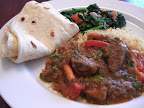
It came out beautifully. The lamb was perfectly cooked -- coming off of the bone easily, but still with some structure left and with that lovely stickiness that comes from collagen breaking down.


The sauce was a bright, burnished orange and had great flavor. The hint of bitterness from the hops in the beer added an intriguing note.

Here's the recipe. We used a modified version of recipes we found online.

Beer Braised Lamb Shanks

4 (3/4 pound) lamb shanks
salt and freshly ground pepper, to taste
2 tablespoons vegetable oil
3 small onions, quartered
2 large carrots, peeled and chopped
1 large tomato, cored and finely diced
2 garlic cloves, minced
1 (22 ounce) bomber malty beer
Approx. 1 cup beef stock

Preheat oven to 350 degrees. Heat oil over medium high in a large dutch oven. Season the lamb shanks with salt and pepper, then sear in the hot pan until well browned on all sides, 10-15 minutes total. Remove shanks from pan and set aside in a bowl.

Brown the onions and carrots in the same pan, stirring occasionally. When lightly browned (about 5 to 7 minutes), reduce heat to medium and add the tomato and garlic. Stir and cook about 2 minutes. Add one third of the beer then scrape the bottom of the pan with a wooden spoon to incorporate any brown bits into the sauce. Add the remaining beer and bring to a boil.

Simmer the beer and vegetables for a couple minutes, then nestle the shanks into the pot, adding any juices from the bowl. Add enough beef stock to immerse about 3/4 of the shanks. Put the lid on the dutch oven and place in the preheated oven for an hour to an hour-and-a-half. The shanks are done when the meat pulls easily from the bone and is very tender. Remove shanks from the pot and skim excess fat from the sauce. Season to taste with salt and pepper, return the shanks to the beer broth and serve.

Thursday, October 18, 2007

Pulled Pork Tacos

Pulled Pork Tacos

Our current pulled pork delivery vehicle of choice is the taco.

Rolled in a mini corn tortilla and topped with a fresh salsa and red cabbage, the smoky pork really shines through. The masa flavor from the tortilla and the acid bite of the salsa complement it perfectly.

Pulled pork sopes are pretty amazing, too...

Wednesday, October 17, 2007

Barbecued Pork Butt


Every summer we make sure to do a pork butt on the barbecue. This year, we just managed to squeeze it in before the end of barbecue season. As it gets dark earlier, it gets harder and harder to cook outside -- particularly when the dish takes 9 hours...

A whole bone-in pork butt is a beautiful thing. We get ours from Siesel's Meats, a nice local place offering a good selection of high quality meats. (If it's not in the display case, ask. They just might have it in the back.)


Covered in a generous coating of flavorful spices, it's even better.


Our rub is from Bruce Aidells's Complete Book of Pork and includes paprika, chili powder, cayenne, garlic powder, brown sugar, ground cumin, ground coriander, dry mustard, dry sage, dried oregano, black pepper and kosher salt. The spice mixture is applied the night before cooking and the whole thing is wrapped in plastic, then refrigerated. Overnight, the rub draws out a bit of moisture to become a sort of dry marinade.

We use a gas grill with indirect heat for this type of cooking. Using a single burner, we can keep the temperature at a reasonably consistent 200 to 250 degrees -- usually about 230. The hard part is getting a good, stable smoke level. But by placing the wood chip box very close to the lit burner, we can usually achieve a nice, if sporadic smokiness. The grill loses a fair amount of smoke, so the chips need replacing quite frequently -- I'm sure everyone in the neighborhood can tell (smell) when we're cooking barbecue.

During the long, slow cooking process, the smoke and spices combine to create a delicious crispy, yet chewy, intensely flavored crust. After resting, all it takes is a couple of forks to pull the pork into savory shreds. Add a little vinegar sauce seasoned with salt, pepper, sugar and chili flakes and you're all set.


When we first started making pulled pork, our primary use of it was the traditional pulled pork sandwich. Recently, though, we've changed our ways. We find that the bread of the sandwich masks a lot of the great pork flavor. As an alternative, we like to make pulled pork tacos.

Barbecued Pork Butt

The Spice Rub:

1 tablespoon paprika
1 tablespoon ancho chile powder
1 teaspoon cayenne pepper
1 tablespoon garlic powder
1 tablespoon brown sugar
1 1/2 teaspoons ground cumin
1 1/2 teaspoons ground coriander
1 1/2 teaspoons dry mustard
1 teaspoon dry sage
1 teaspoon dried oregano
1 1/2 tablespoons freshly ground black pepper
2 1/2 tablespoons kosher salt

The Vinegar Sauce:

3/4 cup cider vinegar
1 1/2 teaspoons kosher salt
1 1/2 teaspoons sugar
1 teaspoon freshly ground black pepper
1 teaspoon crushed red pepper flakes

1 (6-8 pound) bone-in pork butt
Several cups of hardwood chips (hickory and alder), soaked for 2 hours.

Thoroughly mix together the ingredients for the spice rub. Sprinkle the rub evenly all over the meat giving it a generous coating. Wrap the seasoned meat tightly in plastic wrap, place on a tray to catch any escaping juices, and refrigerate overnight.

Unwrap the meat and let sit at room temperature while preparing the grill. Using a gas barbecue grill, remove one grill plate and center the other in the grill area. Light one burner to the left or right of the grill plate and put a wood chip smoker box filled with damp wood chips near the lit burner -- bring them to a smolder. Place the seasoned meat on the grill, fat side up, and close the lid.

Maintain a grill temperature of 200 to 250 degrees, replenishing the wood chips as necessary to achieve a consistent smoke level. Cook the pork until the internal temperature reaches at least 180 degrees; for improved tenderness, shoot for closer to 190 degrees. Cooking time will take anywhere from 8 to 12 hours depending upon the roast size and grill temperature.

Due to the long cooking time, the wood chip smoker box will fill with ashes, reducing its effectiveness. Every few hours, use tongs to remove the box and empty the ashes into a metal container before refilling with damp wood chips. If needed, turn on a second burner for a few minutes after opening the lid to restore the temperature level and jumpstart the chip smoker.

When the meat is done, carefully transfer it from the grill to a tray. Cover with foil and drape with kitchen towels, then allow it to rest 30 minutes. Prepare the vinegar sauce by mixing the ingredients until the sugar and salt have completely dissolved. Once the meat has rested, use two forks to pull the meat into shreds and transfer to a large bowl. Pour about 1/4 cup of the vinegar sauce over the meat and mix gently, but well. Add additional sauce to taste. Serve warm or at room temperature.

Monday, October 15, 2007

Road Trip - Beer In Review

If you have read any of our road trip posts, you'll probably have noticed that beer was a bit of a theme... Here's a beer focused collage from the trip.

Monday, October 8, 2007

Smoked Chicken


Inspired by an appetizer we ate at Josef's in Santa Rosa and still remembering the barbecued turkey event in the mountains, I decided to try my luck at doing a smoked chicken here at home. (Mike had suggested BBQ Pork Butt, but that would have to wait for another day.)


We had some apple wood and alder wood chips on hand, perfect for poultry since they're milder than hickory.

The chicken was brined for several hours in a salt and sugar solution. Since it's smoked at a low temperature (200 degrees) for several hours, the brine included a little pink salt like you would use for other cured meats.


For the glaze, I used Early Times whiskey and a nice, dark, grade B maple syrup. The flavor and texture came out wonderfully, and went really well with a warm, vinegary potato salad.


We found that we liked the breast more than the dark meat (which ended up more salty from the brine). The next time we try this technique, we may just use skin-on, bone-in chicken breasts instead of the whole bird.

Whiskey-Glazed Smoked Chicken

Based on a recipe from Charcuterie. Instructions here are for a gas grill.

The Brine:

1 gallon (4 liters) water
1 1/2 cups (350 grams) kosher salt
1/2 cup (125 grams) sugar
8 teaspoons (42 grams) pink salt

The Glaze:

1 cup (250 ml) bourbon
1/2 cup (125 grams) maple sugar or 1/2 cup maple syrup
1/4 packed cup (50 grams) dark brown sugar
Pinch cayenne pepper

1 (3-4 pound) chicken

Mix the brine ingredients in a large (~12 quart) pot until all sugar and salts have dissolved. Place the pot in the refrigerator until the brine is cold.

Rinse the chicken under cold water, and then place it into the brine. The chicken should be fully submerged; use a plate to weigh it down if it tends to float. Chill for about 18 hours.

Remove the chicken from the brine and rinse well under cold water. Pat dry with paper towels, place on a tray and refrigerate uncovered for at least 4 hours or up to a day. This allows the salt brine to distribute more evenly and improves the skin's ability to accept the smoke flavor.

Mix the glaze ingredients in a small pan and bring to a low simmer, stirring to dissolve the sugar. Continue cooking until the glaze becomes syrupy. The original recipe suggested arriving at a volume of 1 cup, however cooking longer to achieve a 1/2-cup volume results in a thicker glaze with more chance of sticking to your bird. When ready, remove from heat and allow to cool.

Prepare your grill for hot smoking by lighting only one burner. Put a wood chip smoker box filled with damp wood chips near the lit burner and bring to a smolder. Place the chicken on a grill rack away from the lit burner and close the grill lid. Maintain a temperature of about 200 degrees, replenishing wood chips as necessary to achieve a consistent smokiness.

After about 2 hours, brush some of the glaze all over the surface of the chicken. Close the grill lid and continue smoking the bird until a thermometer inserted into the thigh registers 160 degrees, about an hour to an hour-and-a-half longer.

Remove the chicken from the grill and brush with more of the glaze. Let rest at least 15 minutes before carving and serve warm now, or chilled later.